


What Actually Makes Turnout Gear Comfortable?
1. Mobility
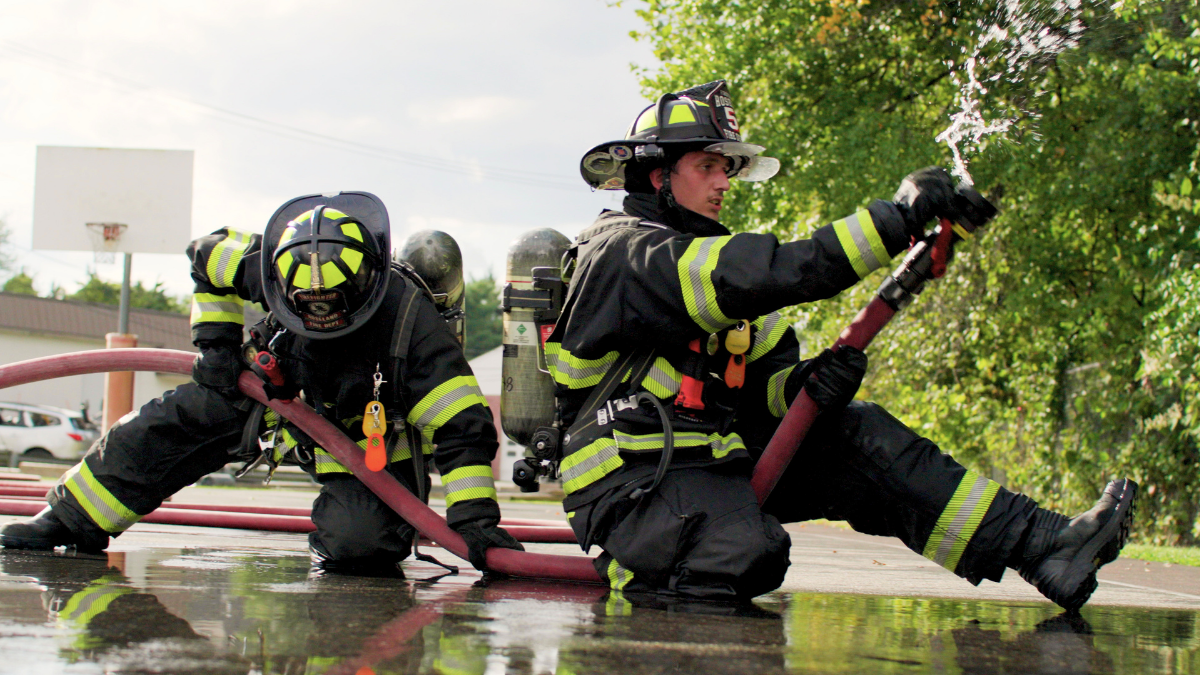
Your turnout gear should move with you—not against you.
Whether you're advancing a hose line, climbing a ladder, forcing entry, or crawling during a search, unrestricted movement helps firefighters perform essential tasks more efficiently and with less physical strain.
Features like ergonomic patterning, articulated elbows and knees, underarm gussets, and properly designed shoulder construction all contribute to better range of motion.
2. Breathability
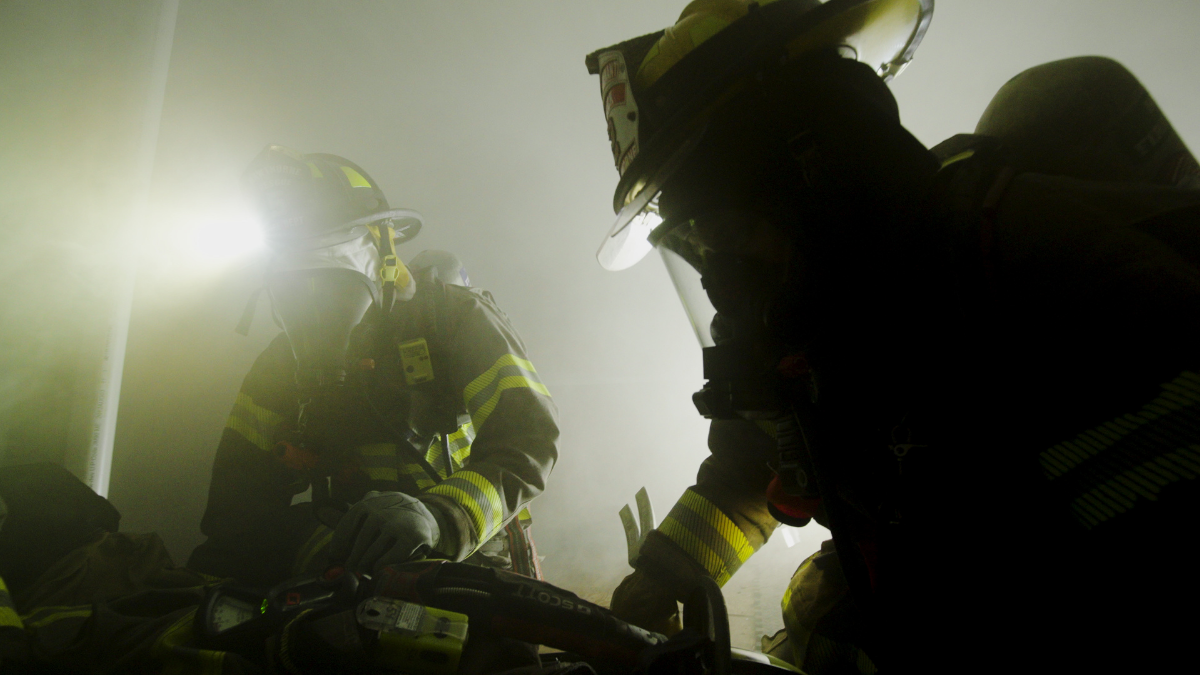
The fireground is already demanding enough without your gear trapping excess heat and moisture.
While thermal protection remains essential, modern turnout gear is designed to help manage heat buildup and allow moisture vapor to escape whenever possible. Better breathability can improve comfort during extended incidents and training while helping reduce fatigue throughout the day.
3. Proper Fit
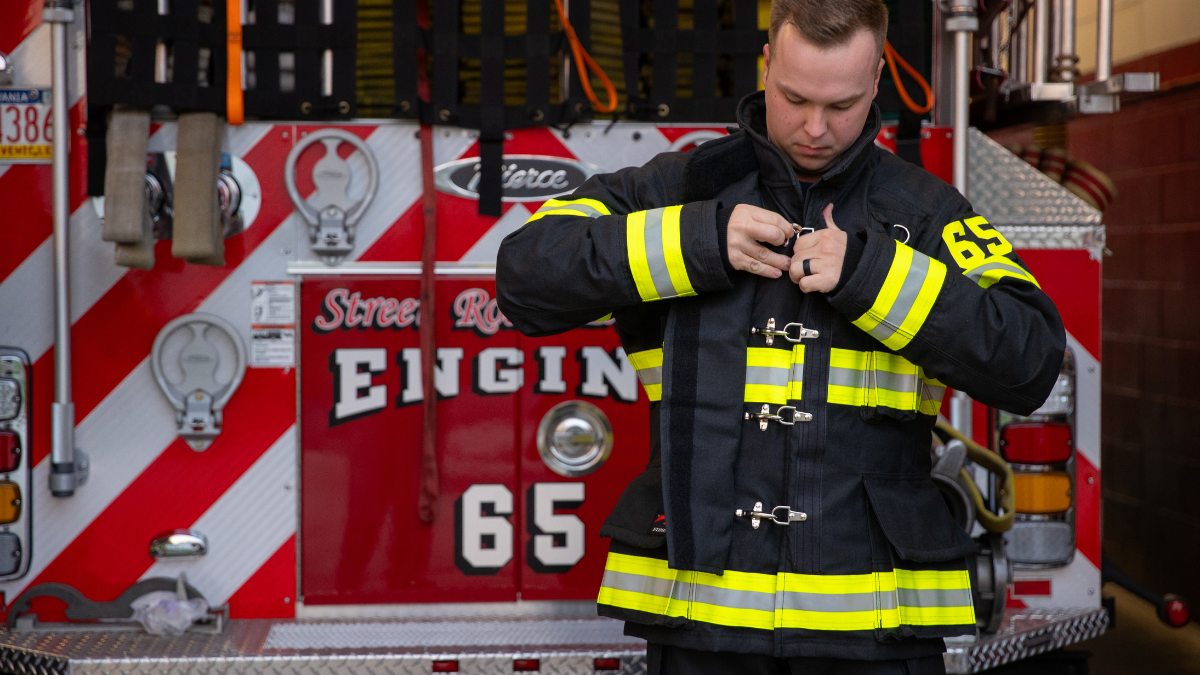
Even the most advanced turnout gear won't perform as intended if it doesn't fit correctly.
Gear that's too large can restrict movement, create unnecessary bulk, and increase fatigue. Gear that's too small may limit mobility and reduce overall comfort.
A proper evaluation should include sizing firefighters individually and allowing them to perform realistic job-related movements—not simply trying gear on while standing still.
Comfort Supports Performance
When firefighters are less distracted by restrictive movement, excess bulk, or unnecessary fatigue, they can focus on the task at hand.
As your department evaluates PPE, consider more than certifications alone. Ask firefighters to wear the gear, move through realistic scenarios, and evaluate how it performs during the work they do every day.
The right turnout gear should provide the protection firefighters need while allowing them to operate with confidence from the first call to the last.